Thursday, February 8, 2024

Developing a story

In class we learned how to develop a story, I will show you what I learned and perhaps you can learn something as well.

1. Idea Generation:

Before anything else, we need a central idea for our story. This idea will serve as the foundation upon which we build our characters and conflicts.

2. Building the Main Character:

- Beliefs and Individuality:

Our protagonist should possess distinct beliefs and values that shape their worldview. These beliefs influence their actions and decisions throughout the story.

- Identity:

Explore who the character is beyond their external traits. What experiences have shaped them? What are their strengths and weaknesses?

- Desires and Goals:

What does the main character want more than anything else? This desire will drive their actions and fuel the narrative.

- Personal Conflict:

Identify an internal struggle or dilemma that the character grapples with. This conflict adds depth and complexity to their journey.

- Consequences:

Consider the consequences of the character's desires. What price are they willing to pay to achieve their goals?

3. Developing External Conflict:

- Outer Challenges:

In addition to their internal conflict, the character faces external obstacles or challenges that hinder their progress.

- Stakes:

What is at stake for the character in overcoming these external challenges? The higher the stakes, the more engaging the story becomes.

4. Building Other Characters:

- Contribution to Conflict:

Secondary characters should play a role in shaping the protagonist's journey. Their beliefs and actions may either align with or oppose those of the main character.

- Opposing Beliefs:

These characters should embody beliefs or values that conflict with those of the protagonist. Their opposition forces the main character to confront their own convictions.

5. Narrative Structure:

- The Journey:

Follow the narrative structure outlined in the video, moving the protagonist through different stages of growth and change.

  1. Zone of Comfort: Introduce the protagonist in their familiar environment.
  2. Desire: Establish what the character wants or desires.
  3. Enter an Unfamiliar Situation: Propel the character into a new and challenging environment.
  4. Adaptation: Show how the character responds and adapts to their new circumstances.
  5. Achievement: The character achieves their goal or desire.
  6. Heavy Price: Explore the sacrifices or consequences the character faces in pursuit of their goal.
  7. Return to Familiar Situation: Bring the character back to their original environment, changed by their experiences.
  8. Having Changed: Reflect on how the character has grown and evolved throughout the journey.
Wednesday, January 3, 2024

Public Service Announcment

 Hey folks! Ever wondered how those short videos, called PSAs, can help us grasp big topics like obesity? Let's dive in! PSAs are like mini-movies with a mission to teach us important stuff. They cleverly use visual storytelling, like powerful images and editing tricks, to grab our attention and convey messages effectively.

Through relatable stories and symbolism, these videos make complex issues like obesity more understandable. They follow familiar story patterns, engage our emotions, and prompt deeper thinking. Essentially, PSAs aren't just for entertainment, they're a smart way to learn about real-world issues, like obesity. In my PSA addressing the issue of obesity, I utilized emotional storytelling and advanced film techniques to create a captivating narrative. By showcasing personal stories and leveraging powerful visuals, sound, and symbolism, I aimed to evoke empathy and understanding from viewers. Through strategic editing and immersive sensory experiences, I sought to maintain viewer engagement and convey the urgency of addressing obesity. Ultimately, my goal was to spark awareness, conversation, and action on this important issue, believing that through the power of film, we can drive meaningful change in our communities.

Friday, November 17, 2023

Storyboarding

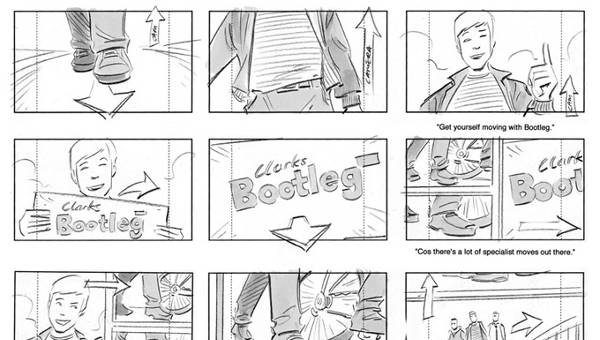
In my experience making films, storyboarding has evolved from a menial chore to a vital tool for organizing and visualizing stories. It makes scene dynamics clear, improves team communication, and turns abstract concepts into concrete cinematic experiences with its finely detailed frames. I now understand that each penstroke has the power to influence the course of the story, which has given me a newfound respect for the painstaking craftsmanship that goes into telling a story. As a crucial component of the filmmaking process, storyboarding connects creativity with reality. I am appreciative of the priceless lessons it has taught me. Throughout all my projects I have done it has truly been magic, I did not understand this at first, but I do now.


Wednesday, October 25, 2023

Western Satire film


THE BALLAD OF DUSTY RHOADES


When my squad and I decided to make a Western satire film, we had no clue it would turn into such an epic adventure. Picture this: we're diving headfirst into the world of cowboys and duels, but with a twist—everything's got a comedic spin. From dreaming up a script that flips Western clichés on their head to decking out in costumes that are part homage, part joke, we were all in. Our brainstorming sessions were wild, filled with ideas for goofy characters and plots that took turns no one saw coming. Working with our awesome cast and crew, we turned those ideas into reality, laughing and problem-solving our way through the shoot. Sure, we hit a few bumps trying to keep the humor on point without stepping on toes, but what we found was way more valuable than just making a funny movie. We grew closer, honed our filmmaking chops, and discovered that when you mix creativity with a tight-knit group, you get something truly special. Looking back, it wasn't just about the laughs or the film we made—it was about the ride we took together and the memories we created. 


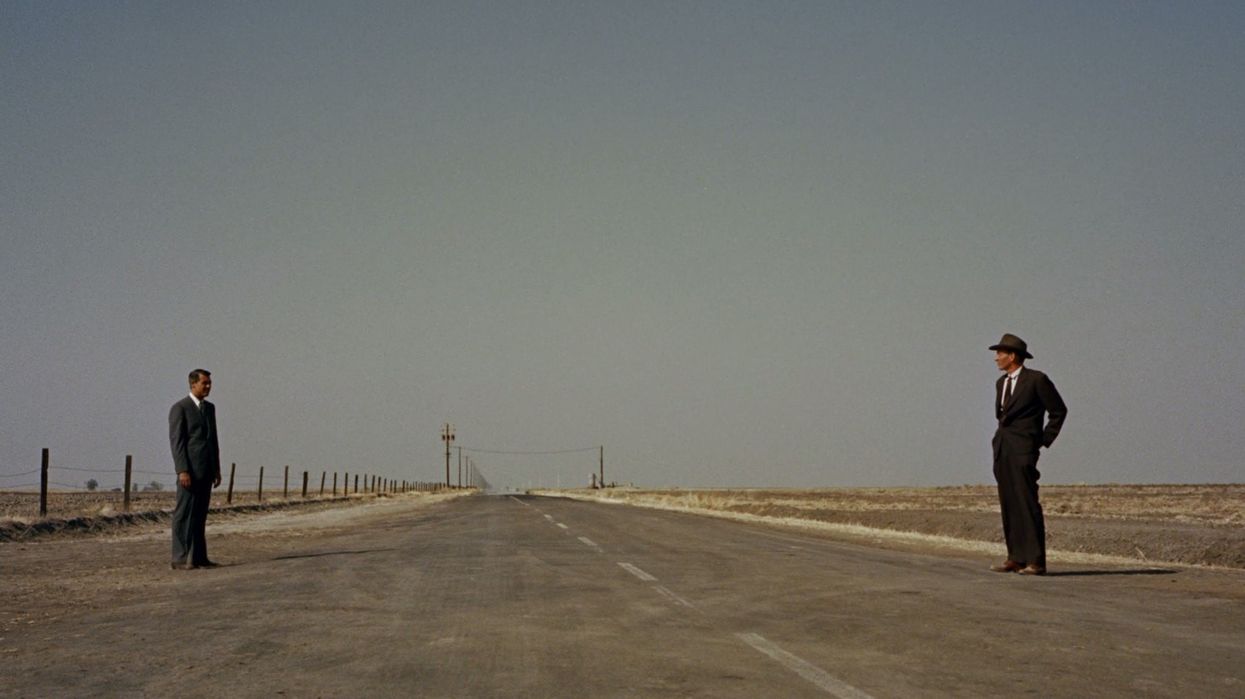
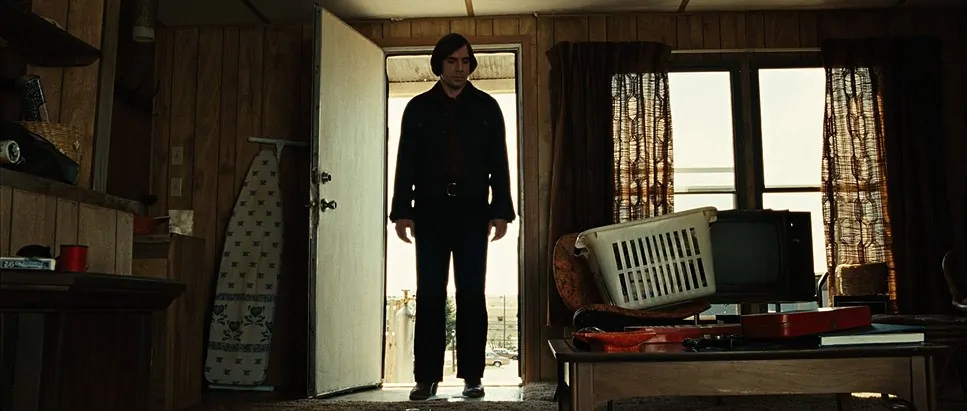
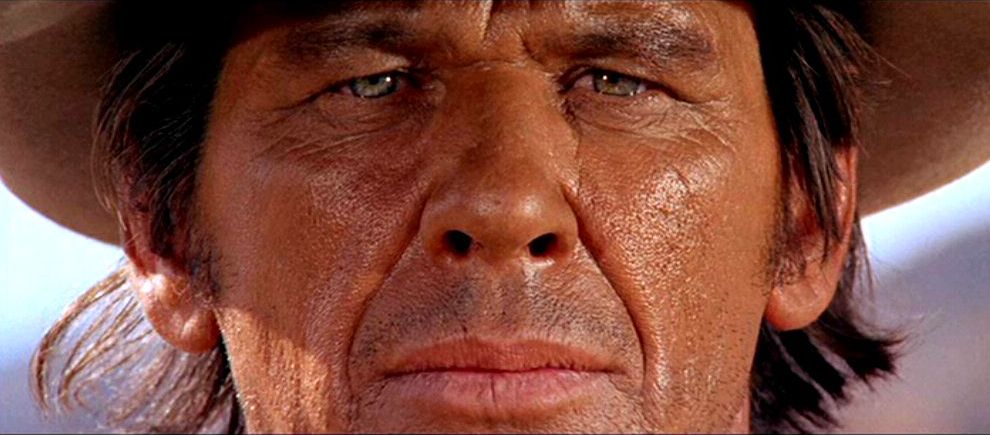
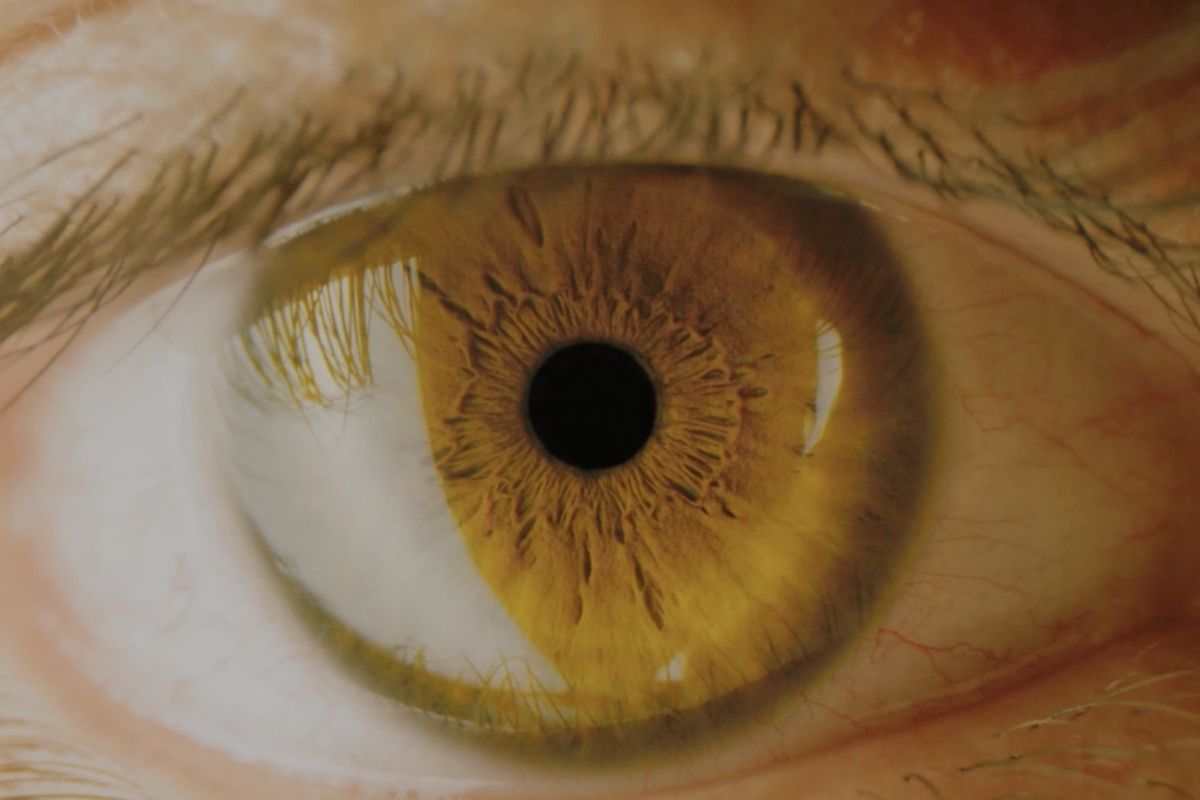
Jumping into our Western satire, we didn’t just play around with the story and costumes; we got super creative with our camera work too. Picture this: one minute we're pulling off dramatic eye shots that would make Sergio Leone proud, then we're switching it up with wide shots that capture the vast, open landscapes. We had a blast experimenting with low-angle shots, that brought comedic shots.. We'd jump from a tense standoff to a close-up of a character's face. Using a handheld camera for some of our scenes added this mockumentary feel, making every stumble and exaggerated action even funnier, kind of like we were poking fun at the seriousness of traditional Western chases. And for dialogue, we played with back-and-forth shots that exaggerated the pauses and reactions, stretching out the moments for comedic effect, like a verbal duel before the actual shootout. 

Here's our film:


Wednesday, October 18, 2023

Camera Shots

Today we learned about camera angles and shots: Wide Shots:

These expansive frames encapsulate not only the primary subject but also its sprawling surroundings, offering viewers a panoramic vista that contextualizes the narrative. Wide Shots excel in delineating vast distances, accentuating the depth of the scene, and showcasing monumental elements such as towering monsters, sweeping natural disasters like hurricanes, or larger-than-life entities like giants.


Cowboy Shots:

Reserved for cinematic heroes and protagonists, Cowboy Shots are captured from a low angle, framing the subject from below the hips. This unique perspective imbues characters with a sense of authority and stature, amplifying their heroic aura and commanding presence on-screen.


Full Shots:

In these unobstructed frames, no cropping occurs, allowing for the inclusion of all characters and the entirety of the setting within the composition. Full Shots possess the flexibility to zoom in on specific details or maintain a wide perspective, providing viewers with a comprehensive view of the cinematic scene


Medium Shots:

Balancing intimacy with spatial awareness, Medium Shots capture characters from waist to head, facilitating a visual connection akin to encountering them in person. This framing choice engenders a sense of proximity while still preserving the contextual backdrop, fostering a nuanced engagement with the characters' expressions and interactions.


Closeups:

Filmed at eye level, Closeups delve deep into characters' innermost thoughts and emotions, establishing an intimate rapport between the audience and the on-screen personas. This proximity accentuates subtle facial expressions and gestures, enabling viewers to empathize with the characters on a visceral level.


Extreme Closeups:


Zooming in even further, Extreme Closeups isolate specific features or details of the character, intensifying the audience's focus on a particular aspect. By magnifying minute nuances and intricacies, Extreme Closeups amplify the emotional resonance of pivotal moments, immersing viewers in the raw intensity of the character's experiences.


Medium Closeups:

Captured from midchest to above the head, Medium Closeups strike a delicate balance between intimacy and context, offering a nuanced portrayal of characters' physicality and emotional states. This framing choice allows for a focused examination of facial expressions and body language while still preserving a sense of spatial orientation within the narrative environment.


Thursday, October 5, 2023

Movie Techniques and Films


Learning Movie Techniques and Analyzing films

In AICE Media Studies, we have been looking into the world of filmmaking. We've been learning about various movie techniques like camera shots, angles, movement, and composition. These things help create the look and feel of a movie.

We also talked about sound in films - what we hear on screen, off screen, special effects, and ambient sounds. Sound is a big part of how movies make us feel, and it can be argued that it is even more important than visual aspect of a film.

We also learned about Mise en scène which is all about the setting, costumes, and lighting. It's how the movie's elements come together to tell a story. We also covered editing thing like cuts, cutaways, dissolves, and establishing shots are all tools that filmmakers use to shape the story and make an affect on the viewer.

One cool thing we did was analyze video clips. We looked closely at small clips to understand how all these techniques work together. It's been an eye-opening experience, and I can't wait to learn more!

Creating a YouTube video


Creating a YouTube video

In our AICE Media Studies class, we embarked on creating our first YouTube video. We were to choose a topic that relates to us, a topic we enjoy, or just to make the video about ourselves. I decided to go with a topic I enjoyed, using Adobe Express, a user-friendly editing software, I edited my video. My video was a car review about my personal dream car the Porsche 911 GT3.  The experience of creating my first YouTube video was both fun and educational. I learned valuable skills in media production, from image selection to editing, all while expressing myself through video content.


Tuesday, September 12, 2023

Digital Citizenship


Embracing Digital Citizenship

    Hello everyone! Today's class was all about digital citizenship, and it was a real eye-opener. Digital citizenship is like our rulebook for the internet. It's about being a responsible, respectful, and safe online citizen. Think of it as our compass in the digital world. Why is it so important? Well, first, it helps create a positive online atmosphere. No one likes online bullying or harassment, right? Digital citizenship encourages kindness and respect. Second, it keeps us safe. We learn to protect our personal info, spot online scams, and use strong passwords. Lastly, it teaches us to be ethical online. We give credit where it's due and think critically about what we see. I loved the class because it teaches us to to use the internet responsibly. We can create, learn, and make a positive impact. 

Enthusiastically yours,

Rakan Albadri


Wednesday, August 23, 2023

Media Exploration


Embarking on a journey of Media Exploration

Greetings, dear readers,

Today marked the beginning of our journey in AICE Media Studies, I started my blog today, and this is my first entry. When I first made my blogger account, I was quickly logged off and according to Google I was an imposter. That took a little while to fix, but eventually I came to a solution. I quite enjoyed my first day, it seemed interesting and I am looking forward to the rest of the school year and the many blogs to come.

Enthusiastically yours,

Rakan Albadri


CREATIVE CRITICAL REFLECTION

 How does your film intro (product) use or challenge conventions (standards) and how does it represent social groups or issues? The opening...